
Leading Foundation Repair Products To Restore Your Home’s Stability
Choose from a selection of high-quality foundation repair products designed to reinforce and stabilize your property efficiently.
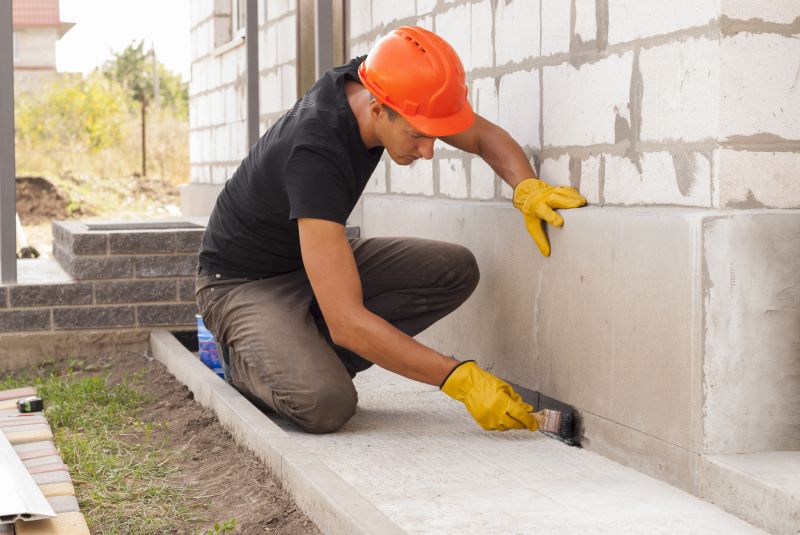 Foundation repairs are a critical aspect of maintaining the stability and safety of a building. When signs of foundation issues such as cracks, uneven floors, or sticking doors appear, it is important to consider a range of products designed to address these concerns. These products vary widely in function, from underpinning systems that provide structural support to waterproofing solutions that prevent water intrusion and further deterioration. Selecting the right products depends on the specific issues faced, the type of foundation, and the severity of the problems.
Top Overall Option
Hydraulic Piering System
Hydraulic piering systems are versatile and commonly used for foundation stabilization. They involve installing adjustable piers beneath the foundation to lift and support the structure, helping to correct settling issues. These systems are valued for their ability to be precisely adjusted and provide long-term support, making them a popular choice for various foundation types. Proper installation by experienced professionals can help ensure the stability and integrity of the building over time.
Types of Products For Foundation Repairs
Push Piers
Push piers are driven into the soil beneath the foundation to provide stable support and lift the structure back to its original position.
Helical Piers
Helical piers are screwed into the ground and are suitable for areas with varying soil conditions, offering support and stabilization.
Slab Jacking
This method involves injecting a grout mixture beneath a concrete slab to lift and level it, often used for sidewalks and driveways.
Underpinning Systems
Underpinning involves strengthening and stabilizing existing foundations, often through the installation of support piers or piles.
Waterproofing Membranes
These membranes prevent water intrusion, helping to reduce soil erosion and moisture-related foundation issues.
Sealants and Crack Fillers
Applied to cracks and gaps, these products help prevent water infiltration and further deterioration.
Drainage Systems
Proper drainage solutions divert water away from the foundation, reducing pressure and soil movement.
Soil Stabilizers
Chemical or mechanical soil stabilizers improve soil compaction and reduce shifting beneath the foundation.
Carbon Fiber Reinforcement
Used to reinforce cracked walls, carbon fiber strips add strength to concrete and masonry structures.
Foundation Braces
Braces provide additional lateral support to walls and other structural elements affected by shifting or cracking.
Grout and Injection Products
These are used to fill voids and cracks, restoring stability and preventing water entry.
Pile Foundations
Deep foundation supports that transfer load to deeper, more stable soil layers, used in severe cases.
Vapor Barriers
Installed beneath slabs or floors to control moisture vapor migration, protecting the foundation from moisture damage.
Soil Replacement Materials
Replacing unstable soil with more stable fill can help reduce foundation movement.
Anchor Bolts and Tiebacks
These components anchor walls to stable soil or structural elements, preventing shifting.
Popular Choices
Widely used for foundation stabilization, these piers are driven into the soil to support and lift foundations.
Preferred for their ease of installation and versatility across soil types, helical piles are gaining popularity.
Effective for sealing small to medium cracks, these sealers help prevent water infiltration.
Commonly used to protect basement walls and slabs from moisture intrusion.
Applied to improve soil stability around foundations, especially in areas prone to shifting.
Installed beneath slabs to control moisture and prevent foundation damage caused by vapor migration.
French drains and other systems are popular for directing water away from foundations.
Used to reinforce walls affected by lateral pressure or cracking.
Commonly used to fill voids and cracks, restoring support and preventing water ingress.
Increasingly used for repairing cracked basement walls with minimal invasiveness.
Selected for deep support in cases of severe settlement or unstable soil conditions.
Popular for preventing soil erosion around foundations, especially in flood-prone areas.
Used in areas with problematic soil to improve foundation stability.
Effective for stabilizing retaining walls and preventing further movement.
Seal small cracks and gaps to reduce water penetration and further deterioration.
In New Albany, IN, homeowners and property managers often seek reliable solutions to mitigate foundation concerns caused by soil movement, moisture fluctuations, or aging structures. A comprehensive approach involves understanding the different product categories available, their applications, and how they can be integrated into a repair plan. Properly chosen foundation repair products can help reinforce the existing structure, prevent further damage, and extend the lifespan of the building.
While many products are available on the market, it is essential to prioritize quality and compatibility with the specific foundation type. Consulting with a foundation specialist or structural engineer can provide insights into the most suitable options for your property. Regular inspections and maintenance using the right products can also help identify potential issues early, saving time and costs in the long run.
Ultimately, foundation repair products are tools that, when used appropriately, can support the stability and safety of a building. Understanding the variety of solutions and their proper application is key to making informed decisions that best suit your property’s needs.
Key Buying Considerations
- Assess the specific foundation issue to determine the appropriate product or system.
- Consider the type of foundation material, such as concrete, masonry, or slab-on-grade.
- Evaluate the severity and extent of damage to choose suitable repair options.
- Look for products with proven durability and compatibility with existing structures.
- Ensure installation is performed by qualified professionals with experience in foundation repairs.
- Check if the products are designed to accommodate future settlement or movement.
- Consider waterproofing and moisture control features to prevent recurring issues.
- Review manufacturer warranties and support services for the products.
- Factor in local soil conditions and climate factors that may influence product performance.
- Determine the long-term maintenance requirements of the products used.
- Prioritize products that allow for minimally invasive installation when possible.
- Verify that products meet local building codes and regulations.
- Compare costs relative to the scope of repair and expected longevity.
- Seek products with positive customer feedback and case studies.
- Evaluate the ease of future inspections and potential repairs with selected products.